Hey there West Campus birding fans - a voice from the past has returned - Sue is back... at least temporarily - back on the hilltop, working, lunching and hawk-watching with Lynn.
I have explored some of the trails cleared since I was last here, and lamented over some old places we used to go that are now overgrown and inaccessible. The grassy slope where we saw the meadowlark in 2009 is nearly all grown up to shrubs and trees; the oak tree where we hung a nest box for kestrels in 2010 has filled out with branches, nearly obscuring the box; the little apple tree where we saw the Tennessee Warbler in 2011 is overrun with Russian olive; we found the Nashville Warbler in 2012 along a trail now overgrown with weeds; I missed all of 2013, when one of our favorite birdy haunts was cleared to create a groomed trail.
Now, lest you get the idea I'm only lamenting - the other day along one of those very groomed trails I picked up a new bird for the West Campus list. I found a little patch of avian activity and spent a good 30 minutes tracking down all of the birds.
Tuesday September 30th, 2014
In the goldenrod area:
Song Sparrows
House Wrens
Common Yellowthroat
In the shrubs and tangles:
White-throated Sparrows
Carolina Wren
Black-capped Chickadee
Heard in the woods:
Downy Woodpecker
Northern Flicker
Those neck-straining little tree-top flitters:
American Redstarts
Northern Parula
Ruby-crowned Kinglets
Passing through the airspace:
Blue Jays
Common Grackles
European Starlings
Red-winged Blackbirds
Feeding in the treetops:
American Robins and with them my new bird...
VEERY - Lynn and I will have to look over the records she's been keeping these past two years to confirm this record - but at the very least, it's new for the 2014 year list. Hooray! This is the last of the common thrushes to be added to the West Campus list. We have always found a few Hermit Thrushes in late fall and winter, had Wood Thrushes singing in June, had the occasional Swainson's Thrush during migration, but the Veery has been stubbornly elusive.
Photos and voice recordings here.
Wednesday, October 1, 2014


Tuesday, September 2, 2014
Fall Birds and More
 |
| Silhouettes are often all that's needed to ID a hawk. |
Hawk migration peaks in the months of September and October, most species picking a few weeks to move south. Here in the Northeast, we are treated to something the West Coast never sees, the mass migration of Broad-winged Hawks.
 |
| Red-tailed Hawk |
You can read past posts to see how our annual hawkwatches on campus have gone, the highlight being almost 2000 hawks flying by in one day. No that isn't a typo, that day at other Connecticut sights the count was over 8000 birds. This year our annual hawkwatch will be held in conjunction with one of the Peabody West Campus Community Education Center's nature walks. On Friday, September 12th, educator Tom Parlapiano will lead a lunchtime hawkwatch program at the site of our annual hawkwatch. Check out the West Campus weekly newsletter for more information. Please Note: This progam is only open to Yale West Campus residents.
 |
| Osprey |
If weather conditions are just right we may well have another spectacular flight like we did in 2011. Either way, there should be a nice diversity of raptor species going by to learn some basic identification skills and see some unique interactions that only occur at this time of year.

Species of raptor seen at past watches
Bald Eagle
Sharp-shinned Hawk
Cooper's Hawk
American Kestrel
Merlin
Peregrine Falcon
Black Vulture
Turkey Vulture
Red-shouldered Hawk
Broad-winged Hawk
Red-tailed Hawk
Northern Harrier
Osprey
Monday, July 7, 2014
Say What?
The last couple weeks have been pretty busy for much of the staff at the Peabody. Many of us recently went to Wales to participate in the Society for the Preservation of Natural History Collections Annual Meeting . I have been a little behind on keeping the bird sighting board for West Campus up to date between preparing for my trip and work related moves.
This is what happens when I go away and leave my markers out...

Now that would be a good week of birding! Back to American Robins and Mourning Doves now.
This is what happens when I go away and leave my markers out...
Now that would be a good week of birding! Back to American Robins and Mourning Doves now.
Thursday, May 8, 2014
WC Community Noon Time Nature Walk: Spring Bird Walk
 |
| Walk participant finding a bird |
 |
| Spring has sprung along the Oyster River |
Four members of the west campus community joined Tom for a walk in the woods behind the nursing building in search of spring migrants. Each day during the spring thousands of birds pass through Connecticut on their way north to breeding grounds and many of these stop at West Campus for a rest.
 |
| Walk participants with leader Tom Parlapiano |
New birders were given a brief introduction on how to use the binoculars provided by Tom for the walk. Luckily, American Goldfinches fighting for mates were willing to act as models for focusing lessons. Once in the woods a Great-crested Flycatcher caught our attention. The states largest flycatcher, the Great-crested is one of the earliest to arrive in Connecticut and while some continue north, many will remain in our area to breed.
 |
| Great-crested Flycatcher |
In the tangles along the river, Yellow Warblers, Song Sparrows, and even a Chipping Sparrow all made an appearance. At one point a Red-tailed Hawk came flying by at tree-top height, either looking for a meal or trying to figure out what we were doing. Along the river, we were able to find an American Robin's nest, although there were no eggs inside yet, the adult kept scolding until we had walked away.
 |
| American Robin nest |
As our time wrapped up we did get one non-avian highlight. This six-spotted tiger beetle came out onto the sidewalk for a quick view.
 |
| six-spotted green tiger beetle |
Upcoming Walks
Friday, June 13th- Non-Native Invasive Plant ID Walk
Friday, September 12th- West Campus Hawk Watch
Friday, October 10th- Fall Tree Identification Walk
Friday, November 14th- Fall Bird Walk
Let Tom know you want to participate by registering HERE
Friday, April 4, 2014
Early Spring Walk
**CAUTION** Content at end of blog may be disturbing for some readers.
Thursday looked to be a nice day starting off with a mild morning, so I planned on getting into work to take a quick walk around the new trails. Robins were out in abundance, calm in the early morning before normal territorial disputes that would unveil themselves later in the day.
 |
| American Robin |
 |
| Osprey- FOY |
 |
| Song Sparrow |
Another sparrow, the White-throated Sparrow is only a winter resident in this part of Connecticut but they have also begun to practice their songs. Once they make their way north to breeding territories they will be ready to go.
 |
| White-throated Sparrow |
| Audio- White-throated Sparrow song |
 |
| Red-tailed Hawk |
 |
| Gray Squirrel eating a Mourning Dove |
 |
| Close-up of nature |
Monday, December 16, 2013
5th annual YWC Christmas Bird Count
A voice from the past returning briefly to the Birding West Campus blog...
With the annual Audubon Christmas Bird Count scheduled for Saturday December 14th, the West Campus birders (Lynn, Tom and yours truly - Sue) chose a date within the count week (Dec. 11-17) for our fifth West Campus Christmas Bird Count. We met at 7:15 Friday morning, December 13th, on a bright and cold day to take our annual census of the avian population at West Campus.
Since our first count in 2009, there have been changes to the physical landscape of the 136-acre property (see Lynn's previous post). Will the clear-cutting of one of the most bird-friendly habitats on campus usher in changes in species diversity? in numbers of birds? It takes a dedicated group of birders to gather the data necessary to answer these questions. Sure, we're out there birding because we love to do it, but also because we know WHY we're doing it.
As you've read in this blog every December since 2009, the Audubon Christmas Bird Count is the oldest citizen science survey in the nation - and now spreading around the world. The data collected from this count informs environmental policy decision-making from the lowest to the highest levels of government. So, Sue and Lynn and Tom, in this little patch of Connecticut, were out gathering data to add to the big picture of bird diversity in North America but also to inform the administration of Yale's West Campus.
On to the statistics for the day and our bird list:
Friday December 13, 2013; 7:15am-12:15pm, 24F/-4C, high cloud cover, clearing by noon, moving water was open, still water was frozen. 3 participants, 5 daylight hours each.
1. Canada Goose ...................100
2. Turkey Vulture .................... 1
3. Red-tailed Hawk ................ 2
4. Herring Gull ........................ 8
5. Ring-billed Gull ...................13
6. Downy Woodpecker .......... 5
7. Red-bellied Woodpecker .... 2
8. Northern Flicker ................ 1
9. Rock Pigeon .......................27
10. Mourning Dove ................ 10
11. Cedar Waxwing ................ 8
12. American Crow ................15
13. Fish Crow ........................ ?
14. Blue Jay ........................... 7
15. European Starling ............. 83
16. American Robin .. ............ 30
17. Hermit Thrush ....................2
18. Northern Mockingbird ...... 1
19. Carolina Wren .................. 5
20. Black-capped Chickadee .. 4
21. Tufted Titmouse ............... 7
22. White-breasted Nuthatch... 4
23. Brown Creeper ............... 2
24. Northern Cardinal ........... 12
25. Dark-eyed Junco ............ 12
26. White-throated Sparrow .. 42
27. Song Sparrow ................. 1
28. Eastern Towhee ............... 1
29. American Goldfinch ......... 9
30. House Finch .................... 1
31. House Sparrow ............... 15
Past Christmas Count blog posts:
2009
2010
2011
2012
 |
| Lynn and Sue watching a distant Northern Flicker |
With the annual Audubon Christmas Bird Count scheduled for Saturday December 14th, the West Campus birders (Lynn, Tom and yours truly - Sue) chose a date within the count week (Dec. 11-17) for our fifth West Campus Christmas Bird Count. We met at 7:15 Friday morning, December 13th, on a bright and cold day to take our annual census of the avian population at West Campus.
 |
| female Eastern Towhee, digiscoped by T. Parlapiano |
As you've read in this blog every December since 2009, the Audubon Christmas Bird Count is the oldest citizen science survey in the nation - and now spreading around the world. The data collected from this count informs environmental policy decision-making from the lowest to the highest levels of government. So, Sue and Lynn and Tom, in this little patch of Connecticut, were out gathering data to add to the big picture of bird diversity in North America but also to inform the administration of Yale's West Campus.
 |
| Female Eastern Towhee eating sunflower seeds in the yard outside of the Yale West Campus Education Center - on count day! |
Friday December 13, 2013; 7:15am-12:15pm, 24F/-4C, high cloud cover, clearing by noon, moving water was open, still water was frozen. 3 participants, 5 daylight hours each.
1. Canada Goose ...................100
2. Turkey Vulture .................... 1
3. Red-tailed Hawk ................ 2
4. Herring Gull ........................ 8
5. Ring-billed Gull ...................13
6. Downy Woodpecker .......... 5
7. Red-bellied Woodpecker .... 2
8. Northern Flicker ................ 1
9. Rock Pigeon .......................27
10. Mourning Dove ................ 10
11. Cedar Waxwing ................ 8
12. American Crow ................15
13. Fish Crow ........................ ?
14. Blue Jay ........................... 7
15. European Starling ............. 83
16. American Robin .. ............ 30
17. Hermit Thrush ....................2
18. Northern Mockingbird ...... 1
19. Carolina Wren .................. 5
20. Black-capped Chickadee .. 4
21. Tufted Titmouse ............... 7
22. White-breasted Nuthatch... 4
23. Brown Creeper ............... 2
24. Northern Cardinal ........... 12
25. Dark-eyed Junco ............ 12
26. White-throated Sparrow .. 42
27. Song Sparrow ................. 1
28. Eastern Towhee ............... 1
29. American Goldfinch ......... 9
30. House Finch .................... 1
31. House Sparrow ............... 15
Past Christmas Count blog posts:
2009
2010
2011
2012
Wednesday, November 27, 2013
New Trails on West Campus
There have been quite a few changes around campus since the last blog post. The nursing school has moved out to west campus and that has increased our population quite a bit. Along with their appearance is the appearance of some new 'running' trails on the other side of campus.
I took a walk around one of the trails the other day behind the garden, what we used to refer to as the leaf pile. Things have drastically changed and I'm assuming they will still change more. The fantastic thicket that was made up of golden rod and multiflora rose has been largely clear cut. This thicket in the past has yielded some great birds including, Wilson's Warbler, Brown Thrasher, and other late lingerers. Although multiflora rose is an invasive, it does provide some great cover and is an excellent food source for wildlife, especially during the winter.
I actually like the fact that there are trails down there and I think it's a nice addition to the available 'amenities' that make working at west campus so nice. Hopefully, with time and a little lack of maintenance the thickets will recover some. There's also a nice patch of Japanese knotweed in the back of this early successional field that should be removed. With luck they will concentrate on some people and wildlife friendly sustainable upgrades for the future.
The word sustainable is thrown around quite often and I for one wasn't sure of the definition. Here is what the EPA says in part "Sustainability creates and maintains the conditions under which humans and nature can exist in productive harmony, that permit fulfilling the social, economic and other requirements of present and future generations."
Here are the birds I did find while I was walking.
Herring Gull
Ring-billed Gull
Red-tailed Hawk
Blue Jay
Black-capped Chickadee
Red-bellied Woodpecker
Downy Woodpecker
Northern Flicker
Mourning Dove
Carolina Wren
Winter Wren
American Robin
European Starling
White-throated Sparrow
Northern Cardinal
American Goldfinch
Brown-headed Cowbird
 |
| Approximate path of new trails (in part) |
I took a walk around one of the trails the other day behind the garden, what we used to refer to as the leaf pile. Things have drastically changed and I'm assuming they will still change more. The fantastic thicket that was made up of golden rod and multiflora rose has been largely clear cut. This thicket in the past has yielded some great birds including, Wilson's Warbler, Brown Thrasher, and other late lingerers. Although multiflora rose is an invasive, it does provide some great cover and is an excellent food source for wildlife, especially during the winter.
 |
| Area that was clear cut at base of gardens. |
 |
| The pink is the path I took (heading clockwise), the brown blob is my guess of the clearcut as of my walk (27 November 2013) |
 |
| Chickadee working on a rose hip from remaining thicket |
 |
| European Starlings and Brown-headed Cowbirds thrive in edge and disturbed habitat. B-h Cowbirds are nest parasites that may be reducing certain songbird populations due to increased nest access from habitat fragmentation. |
Here are the birds I did find while I was walking.
 |
| This Downy Woodpecker, a bird most people associate with trees, explores a little thicket patch. |
Ring-billed Gull
Red-tailed Hawk
Blue Jay
Black-capped Chickadee
Red-bellied Woodpecker
Downy Woodpecker
Northern Flicker
Mourning Dove
Carolina Wren
Winter Wren
American Robin
European Starling
White-throated Sparrow
Northern Cardinal
American Goldfinch
Brown-headed Cowbird
 |
| American Robins like the easy snacks the clear cutting has made available. |
Friday, April 26, 2013
It Really IS Spring!
After last years blast into summer temperatures, I've been happy to see some cooler temperatures lead into spring this year. Although, it hasn't helped me be able to find time to post some blogs. Let's just say that the birds are finally getting on campus. A small group of us are heading out at lunch to put some time in the woods and hopefully pull some great things out. BUT the species list for the year is already up to 55 with only a few warblers checking in already.
Tom added Yellow-rumped, Palm, and Pine Warblers to the species total. This morning I heard my FOY and the FOY for West Campus of Yellow Warbler. The swallows have all checked in for the year, we've had flyby's of Barn and Tree. Barn Swallows usually nest on campus although last year they nested somewhere near by. As has happened that last two springs, a few Northern Rough-winged Swallows stopped by the Collections Study Center to see if there were any vacant holes in the wall to nest in.

Rather than try to even recap the first part of the year I'll just give you a comparison. This week in January we had 16 species on campus. In February about the same time of the month we had 18 species for the week. March this time, had crawled up to 22 species with some of the blackbirds showing up for the first time. Here is the list of last weeks birds a total of 28 species!
April 15-19
Northern Cardinal, Song Sparrow, White-throated Sparrow, Black-capped Chickadee, Turkey Vulture, Blue Jay, Downy Woodpecker, Mourning Dove, American Crow, Brown-headed Cowbird, Rock Pigeon, European Starling, house Sparrow, House Finch, American Goldfinch, Herring Gull, Ring-billed Gull, Killdeer, American Robin, Dark-eyed Junco, Red-tailed Hawk, Northern Flicker, American Kestrel, Tufted Titmouse, Savannah Sparrow, Red-winged Blackbird, Northern Rough-winged Swallow, and Double-crested Cormorant!
 |
| Chipping Sparrow |
Tom added Yellow-rumped, Palm, and Pine Warblers to the species total. This morning I heard my FOY and the FOY for West Campus of Yellow Warbler. The swallows have all checked in for the year, we've had flyby's of Barn and Tree. Barn Swallows usually nest on campus although last year they nested somewhere near by. As has happened that last two springs, a few Northern Rough-winged Swallows stopped by the Collections Study Center to see if there were any vacant holes in the wall to nest in.
 |
| Northern Rough-winged Swallows |
Rather than try to even recap the first part of the year I'll just give you a comparison. This week in January we had 16 species on campus. In February about the same time of the month we had 18 species for the week. March this time, had crawled up to 22 species with some of the blackbirds showing up for the first time. Here is the list of last weeks birds a total of 28 species!
 |
| American Kestrel |
April 15-19
Northern Cardinal, Song Sparrow, White-throated Sparrow, Black-capped Chickadee, Turkey Vulture, Blue Jay, Downy Woodpecker, Mourning Dove, American Crow, Brown-headed Cowbird, Rock Pigeon, European Starling, house Sparrow, House Finch, American Goldfinch, Herring Gull, Ring-billed Gull, Killdeer, American Robin, Dark-eyed Junco, Red-tailed Hawk, Northern Flicker, American Kestrel, Tufted Titmouse, Savannah Sparrow, Red-winged Blackbird, Northern Rough-winged Swallow, and Double-crested Cormorant!
Wednesday, March 20, 2013
Winter Line-up
In the heart of winter here on West Campus and the same birds have been teeing up for spotting every day. Diversity is not amazing but seems to at least be steady. Memories may be faulty but it seems to me that in the past our coldest, shortest days would leave us with a maximum of 12 species, even forging through the cold looking for life.
With Sue in New Haven, I have not been my motivated self going out to poke around in the nooks and crannies of campus. The birds have been cooperating though and coming to us. We are certainly lucky to have our courtyard with huge picture windows for viewing the feeders and fly by's. Here are the birds that we have been seeing every week or at least about 15 of them every week.
Winter Birds:
Black-capped Chickadee- at the feeder every day
House Finch- at the feeder every day
Mourning Dove- at the feeder, almost every day
American Goldfinch- at the feeder every day
Northern Cardinal- at the feeder a couple times a week
Song Sparrow- at the feeder a couple times a week
White-throated Sparrow- at the feeder a couple times a week
Blue Jay- seen off and on at the feeder
Downy Woodpecker (finally)- recently seen near the feeder once a week
Sharp-shinned Hawk- at the feeder once a week
Dark-eyed Junco- occasionally at the feeder
Rock Pigeon- on campus daily
Herring Gull- on campus daily
Ring-billed Gull- on campus daily
European Starling- on campus daily
American Crow- on campus daily
Canada Goose- on campus a couple times a week
American Robin- on campus a coupe times a week (more lately)
Turkey Vulture- flying over campus once a week
Red-tailed Hawk- flying over campus once a week
With Sue in New Haven, I have not been my motivated self going out to poke around in the nooks and crannies of campus. The birds have been cooperating though and coming to us. We are certainly lucky to have our courtyard with huge picture windows for viewing the feeders and fly by's. Here are the birds that we have been seeing every week or at least about 15 of them every week.
Winter Birds:
Black-capped Chickadee- at the feeder every day
House Finch- at the feeder every day
Mourning Dove- at the feeder, almost every day
American Goldfinch- at the feeder every day
Northern Cardinal- at the feeder a couple times a week
Song Sparrow- at the feeder a couple times a week
White-throated Sparrow- at the feeder a couple times a week
Blue Jay- seen off and on at the feeder
Downy Woodpecker (finally)- recently seen near the feeder once a week
Sharp-shinned Hawk- at the feeder once a week
Dark-eyed Junco- occasionally at the feeder
Rock Pigeon- on campus daily
Herring Gull- on campus daily
Ring-billed Gull- on campus daily
European Starling- on campus daily
American Crow- on campus daily
Canada Goose- on campus a couple times a week
American Robin- on campus a coupe times a week (more lately)
Turkey Vulture- flying over campus once a week
Red-tailed Hawk- flying over campus once a week
Wednesday, February 20, 2013
A Birdy New Year
January has started and gone, all the lists have been wiped clean and we start afresh. A new year to try for as many birds as possible, simply in an effort to get outside when you would rather be inside and warm. A new year list is started for campus trying to see how this year will compare with the past few years of great birds. It seems a fitting and unsurprisingly good time to do a recap of 2012 as we welcome in 2013.
Something Surprising:
Winter Wren finally made it on the list. This small wren is seen most often in winter and likes to find little wooded moist areas to winter in. They are not uncommon species but can be tough to track down especially in certain years. Luckily, we had a migrant stop right out our front door while it was migrating south. Then another was heard on the Christmas count illustrating that there are decent numbers of this species around this winter (Nov. and Dec.)
Something Exciting:
A Nashville Warbler! New to the WC list and a beautiful bird. This little warbler is fairly common and we got ours. We had a decent push of spring warblers this summer including Black-throated Blue Warbler, Black-throated Green Warbler, Magnolia Warbler, Black-and-White Warbler, Blue-winged Warbler, and Yellow Warbler to name a few. The Nashville Warbler made us smile the most though!
Something Outstanding:
Well it's actually two somethings, two birds that were both new for our West Campus list and one that was a life bird for both Sue and myself. I spotted a Sandhill Crane one day while returning from a lunchtime walk. The crane was a flyby and fairly distant but still falls within our 'protocol' for what we put onto our list. The second bird a Lark Sparrow, I first spotted it on my drive in and then Sue and I quickly turned around and went to relocate it. This is a definitive life bird for me and a pseudo-life birds for Sue. Luckily we had some great looks at this one!
Something Amazing:
It's a number 106. That is the number of species that made it onto our year list this year. When you look at the list to the right in this blog you can see that we have only seen 128 species in the four years we have been birding on campus and we saw 106 of those 128. I would say that's a fantastic percentage. If we could only spend more time outside and less time inside working I'm sure we could make that number even better. ;-)
Hope you all had a great 2012 of birding and we wish you all an even better year of birding for 2013! It's not the numbers the count, it's the birds.
Something Surprising:
Winter Wren finally made it on the list. This small wren is seen most often in winter and likes to find little wooded moist areas to winter in. They are not uncommon species but can be tough to track down especially in certain years. Luckily, we had a migrant stop right out our front door while it was migrating south. Then another was heard on the Christmas count illustrating that there are decent numbers of this species around this winter (Nov. and Dec.)
 |
| Winter Wren- (actually from out west) |
Something Exciting:
A Nashville Warbler! New to the WC list and a beautiful bird. This little warbler is fairly common and we got ours. We had a decent push of spring warblers this summer including Black-throated Blue Warbler, Black-throated Green Warbler, Magnolia Warbler, Black-and-White Warbler, Blue-winged Warbler, and Yellow Warbler to name a few. The Nashville Warbler made us smile the most though!
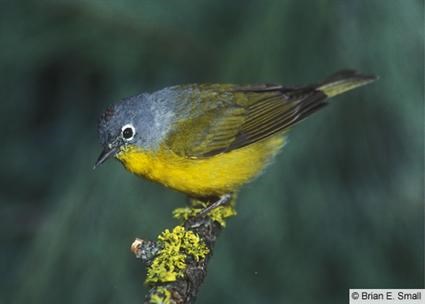 |
| Image borrowed from allaboutbirds.org |
Something Outstanding:
Well it's actually two somethings, two birds that were both new for our West Campus list and one that was a life bird for both Sue and myself. I spotted a Sandhill Crane one day while returning from a lunchtime walk. The crane was a flyby and fairly distant but still falls within our 'protocol' for what we put onto our list. The second bird a Lark Sparrow, I first spotted it on my drive in and then Sue and I quickly turned around and went to relocate it. This is a definitive life bird for me and a pseudo-life birds for Sue. Luckily we had some great looks at this one!
 |
| Lark Sparrow- super zoomed |
Something Amazing:
It's a number 106. That is the number of species that made it onto our year list this year. When you look at the list to the right in this blog you can see that we have only seen 128 species in the four years we have been birding on campus and we saw 106 of those 128. I would say that's a fantastic percentage. If we could only spend more time outside and less time inside working I'm sure we could make that number even better. ;-)
Hope you all had a great 2012 of birding and we wish you all an even better year of birding for 2013! It's not the numbers the count, it's the birds.
Subscribe to:
Posts (Atom)